
By Matt Gitsham, Director, Sustainability Impact Lab, Hult International Business School
For decades, economic success has been measured by one dominant metric: GDP growth. This conventional model prioritizes productivity, technology, and sales, aiming to maximize profit and investor returns. But while this approach has driven prosperity, it has also accelerated resource depletion, biodiversity loss, and climate instability – threatening the very systems we depend on.
Regenerative growth challenges this paradigm. It asks us to move beyond “doing less harm” toward creating net-positive impact – in other words, restoring ecosystems, improving soil health, and ensuring clean air and water for future generations.
This requires a fundamental shift in mindset: from growth at any cost to growth that actively heals and strengthens the planet and society. Leaders in particular need to rethink the goals and success measures they are aiming for, and then consider carefully how they play their leadership role. What signals are they sending through how they behave, the stories they share, the questions they ask? What can they do to encourage others around them to re-orient towards new regenerative success measures too?
Why do we want growth?
We talk about growth all the time, it’s held up as a good thing and something we need to be aiming for, but why?
Growing the economy means increasing the number of goods and services produced and consumed overall. Economic growth is seen as the main pathway to improving wellbeing – it theoretically means more income per person, and more jobs, which enable better access to food, housing, healthcare, education and technology, all of which are stepping stones to better quality of life. It also means more tax revenue for governments to invest in infrastructure, healthcare, education, and social security, similarly contributing to better quality of life.
Growing a business means increased revenues, profit, market share, customers, production capacity, employees, locations. Business growth is seen as a good thing because this means more return on investment for shareholders, more to invest in further growing the business, and more to share around through pay rises and bonuses. Businesses that are growing help grow economies, helping improve everyone’s quality of life.
What’s the problem with growth?
Growth can improve quality of life, but not necessarily. Because of what is counted and not counted, we can ‘grow’ but in the process hurt people in the workplace, supply chains and communities, and burn fossil fuels and cause pollution, driving climate change and biodiversity loss, all of which makes quality of life worse, not better. And growth doesn’t necessarily benefit everyone — the rich may get richer while others stay poor, seeing decline in quality of life.
In other words growth is not automatically good. What grows, how it grows, and who benefits really matters.
How is regenerative growth different to conventional growth?
Regenerative growth addresses these questions: what grows, how it grows, and who benefits.
Regenerative growth is squarely aimed at improving quality of life, creating value through activities that enhance and restore nature and communities, rather than harming them. It means leaving things better than how you found them.
This means growing some things but not others, using some means to achieve growth but not others, and paying attention to how the benefits of growth get shared.
It might mean, for example, growing wind and solar industries, but not oil and gas. It might mean growing food and health businesses that help improve nutrition outcomes, but not growing tobacco businesses.
The tables below highlight the differences between conventional growth and regenerative growth.
| Conventional Economic Growth | vs Regenerative Economic Growth |
|---|---|
| Goal | Goal |
| GDP Growth. | Life getting healthier, fairer, and more resilient for people and the planet — now and for future generations. |
| Success Measures | Success Measures |
|
All conventional measures, plus:
|
| Conventional Business Growth | vs Regenerative Business Growth |
|---|---|
| Goal | Goal |
| Increase profit and maximise return on investment to investors. | Achieve a net positive impact on the environmental, social, and economic systems in which the business operates. |
| Success Measures | Success Measures |
|
All conventional measures, plus:
|
So how do we drive regenerative growth? What do we need to do more of? What do we need to stop doing?
The first thing we need to do is change the measure of success we’re aiming for. Rather than the success measure being just growing the number of goods and services produced and consumed in an economy overall, or profits and return on investment to shareholders in a business, we need a wider set of success measures that tell us whether we are improving quality of life, communities and the environment in the ways we are growing.
A regenerative economy doesn’t just ask “Did GDP go up?” — it asks: “Is life getting healthier, fairer, and more resilient for people and the planet — now and for future generations?” This means adding measures that tell us if ecosystems are regenerating, and whether poverty and inequality are falling.
So for a business, it’s not just “Did we make more profit?” — it’s “Did we make life healthier and systems stronger?” Depending on your sector, this would mean adding measures of business success like: are we removing more carbon than we emit? Are we restoring habitats? What % of materials are circular (reused, recycled, biodegradable)? Are we replenishing more water than we use? Are we improving soil health? It would also include measures around living wage, job security, wellbeing, training and career pathways, improving human rights in supply chains, and around who benefits from profits generated, and how fairly they are shared.
A regenerative food company, for example, might measure success not just by profit margins, but by biodiversity and soil health improvements, fair prices and wages across its supply chain, improved nutritional outcomes, and eliminating food waste.
You could say the UN Sustainable Development Goals are a good starting point for thinking about a framework of goals to be aiming for if seeking to grow regeneratively.
With this wider definition of success, we would want to be pursuing many of the same activities as we would for conventional growth, but always asking the question, would this activity help us achieve our wider success measure, or set us back?
For example, to increase economic growth we would still want to invest in infrastructure, but in a way that led to reducing and removing carbon, and increasing biodiversity, rather than in a way that would lead to increased carbon emissions and less biodiversity.
To grow a business regeneratively, we would still for example be looking to grow customers and grow sales, but perhaps through innovating to bring to market new products and services that help customers be regenerative. We would not want to grow sales through products and services that lead to customers emitting more carbon, or exploiting more workers, or harming health. When it comes to investing in marketing, we might be thinking about how we help encourage shifts to more regenerative lifestyles. When it comes to investing in people, we would be investing in paying a living wage, improving physical and mental health, and improving human rights for workers across our supply chains.
What do business leaders need to do to drive regenerative growth?
For those in leadership roles, driving regenerative growth starts with thinking differently about what your job is and what counts as success. Your own personal success in your role is defined in terms of the contribution you have enabled to improving quality of life and enhancing ecosystems rather than simply growing profit.
From my experience talking with business leaders, this shift in thinking leads to a range of leadership activities in the business to drive regenerative growth, starting with helping open a conversation and create space for building shared understanding about regenerative approaches within the business and what should be approached differently.
This means a lot of listening and humility, and it also means developing the skills for making the case for a different approach. It means reshaping how the business articulates its purpose, vision, and strategy. It means using a different set of tools to guide decision-making. It means recasting success measures within the business, and thinking about what people get encouraged to achieve, and are rewarded and penalised for. And it means leading by example – how are you seen to prioritise regenerative outcomes in the decisions you make?
It also means playing an advocacy role in the wider ecosystem around the business. How can you partner with customers, suppliers, competitors and others through multi-stakeholder initiatives to drive regenerative approaches across whole industry sectors? How can you advocate to help build consensus around shifting to government policies that support regenerative economic growth?
The call for a new growth paradigm
Our models for driving conventional growth were built to fix the problems of a different era. Today, we need regenerative growth, and this needs a different approach from business leaders. As professionals and leaders, we need to ask ourselves: Am I leaving people, places, and ecosystems better than I found them?
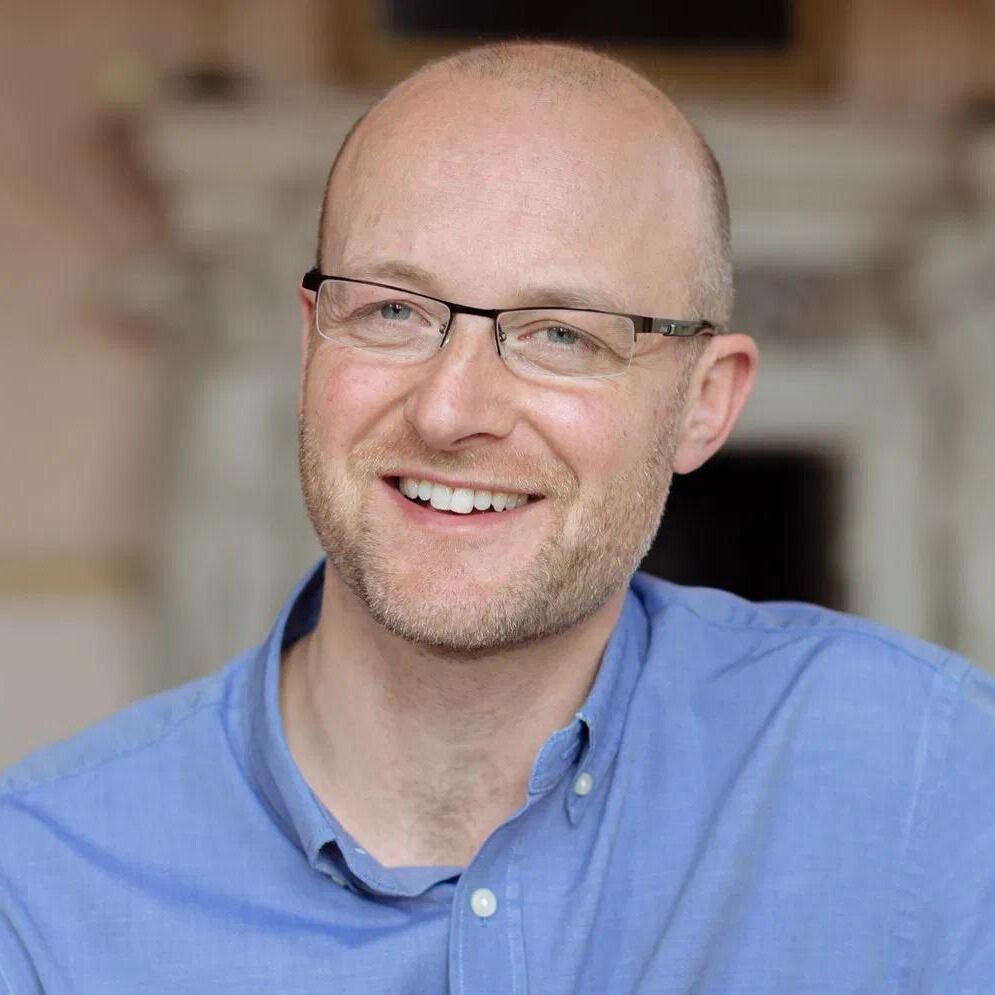
Matt Gitsham is the director of the Sustainability Impact Lab at Hult International Business School. His research specialises in business and sustainable development, human rights, and organisational change. Matt is a member of the Thinkers50 Radar Class of 2021.